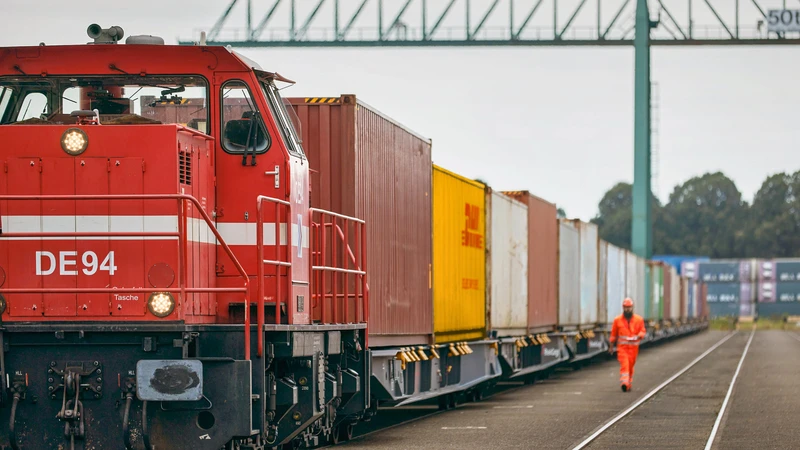

Connect trailers, tractor heads, rail freight, customs clearance, and final delivery in a practical China-Europe transport plan.
International transport works best when equipment, routing, and destination services are planned together. Importers and logistics operators sourcing from China may need more than a freight rate: they must match cargo characteristics with suitable vehicles, border procedures, storage options, and final delivery. An integrated cross-border road freight strategy helps reduce operational gaps between these stages.
Link the Route With the Right Equipment
For shipments moving toward Italy and other European markets, the available China-Italy rail service combines railroad and express transport, with a stated transit range of 25–35 days. Its service scope includes local pickup at listed Chinese origins, destination customs clearance, insurance, storage, and door delivery. General and special goods can be considered, although dangerous cargo acceptance depends on classification, documentation, carrier rules, and route restrictions.

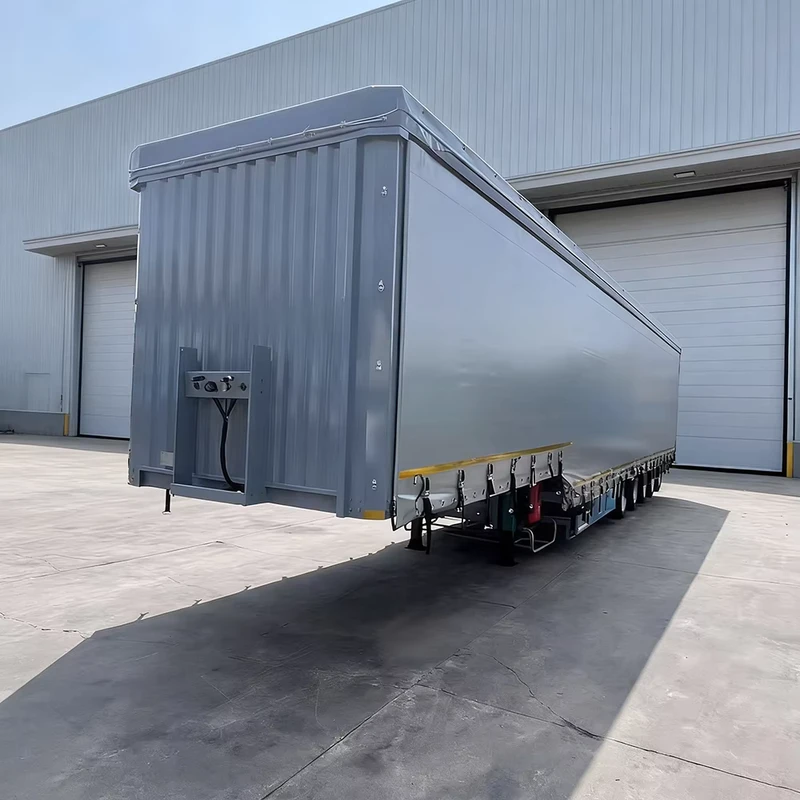
Road capacity is equally important. The 40ft curtain trailer features a steel semi-trailer structure, five axles, PVC fabric curtains, and side-opening access. This format can simplify loading from the side when docks or forklifts cannot efficiently serve a rear door. The listed maximum payload exceeds 30,000 kg, subject to the final configuration and local axle-weight regulations.
Specify Power for the Operating Environment
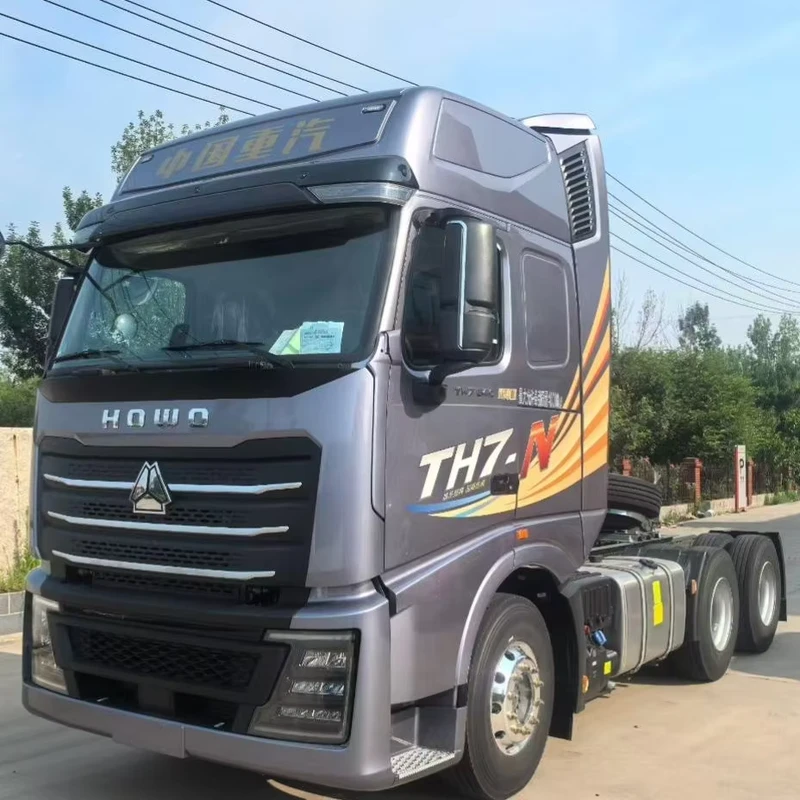
A suitable tractor must reflect terrain, trailer weight, emission requirements, and maintenance conditions. The available heavy-duty tractor head is offered in used condition with 4×2, 6×4, or 8×4 drive options, 371–460 HP diesel power, manual transmission, and Euro 2 through Euro 6 emission choices. Engine and drivetrain specifications should be confirmed for the destination market before purchase.
Whether you need transport equipment, a China-Europe route, or a coordinated equipment-and-delivery solution, provide your cargo type, volume, destination, preferred schedule, and regulatory requirements. These details allow the supplier to recommend a practical configuration and prepare an accurate quotation.